Oxygen and moisture are the enemies of your fire protection. At Best Defense, we provide advanced dry pipe nitrogen generators and corrosion monitoring to extend the life of your system and prevent costly leaks.
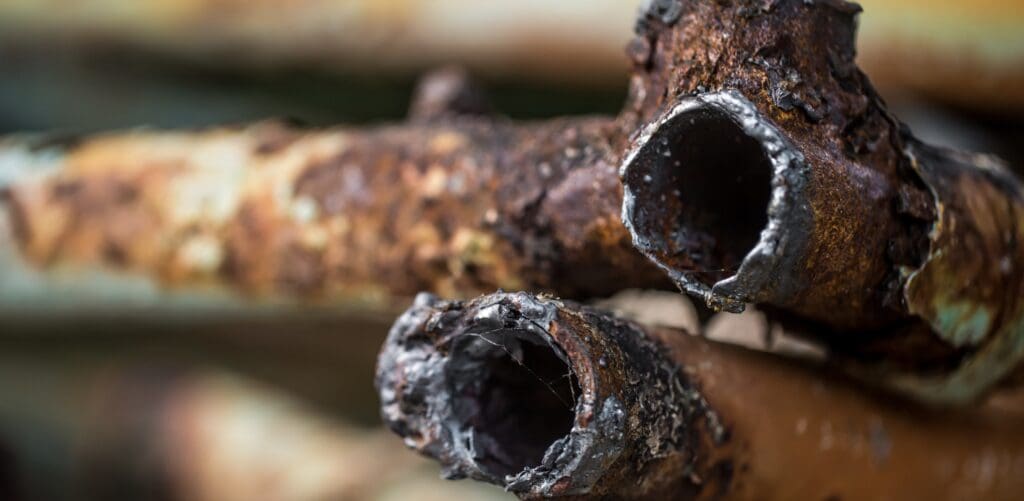
It’s a common misconception that “dry” systems are dry. Compressed air contains oxygen and moisture, which leads to internal pipe corrosion and “pitting.” Over time, this causes pinhole leaks, pipe obstructions, and system failure.
Key Issues Addressed:
MIC (Microbiologically Influenced Corrosion): Bacteria that eat through steel.
Oxygen Corrosion: The primary cause of 90% of dry system leaks.
Ice Plugs: Moisture freezing in cold Wisconsin winters.
Nitrogen: The Ultimate Corrosion Solution
Nitrogen Inerting
We purge oxygen and replace it with dry nitrogen to stop the chemical reaction of rust.
Corrosion Monitoring
Real-time corrosion monitoring stations alert us to thinning pipe walls before a leak occurs.
Automatic Air Vents
Removing trapped air in wet systems to prevent “pitting” at the high points of your facility.
Why Wisconsin Businesses Trust Best Defense
Since 1994, our NICET-certified technicians have protected Wisconsin’s warehouses, cold storage facilities, and high-rise buildings. We don’t just patch leaks—we engineer solutions.
Expert Fire Sprinkler Repair in Madison and Milwaukee.
Full NFPA 25 Inspections and internal pipe investigations.
Customized Corrosion Management Plans for industrial and commercial sites.
Reliable Fire Protection Across the Badger State
From our headquarters in Waunakee to our offices in Appleton and New Berlin, we are Wisconsin’s premier choice for fire sprinkler corrosion solutions. Stop the leaks before they start.
Call 800-237-8389 for a specialized corrosion consultation.